Why People Turn To The Internet To Meet New People
You see the pattern everywhere. Friends describe relationships that started with a message. Colleagues mention partners they first encountered on an app. These stories reflect a fundamental change in how humans form new bonds. The internet now serves as the dominant starting point for fresh social connections. This shift grew from concrete changes in daily life, technology access, and emotional needs. Several distinct factors explain why millions prefer digital spaces to find friends, partners, and other relationships.
The Full Spectrum of Online Relationships - From Friendship to Romance and BeyondOnline connections cover far more than friendship or traditional romance. People pursue different goals depending on their current life stage and needs. While some services focus exclusively on emotional connection, others cater specifically to those seeking more intimate and sexual experiences. The most successful projects in this highly competitive niche understand the importance of adult dating websites seo, allowing them to reach their target audience effectively and maintain quality traffic even with strict advertising restrictions.
Adult-oriented spaces attract users who want directness. These environments remove judgment around physical desires. Participants often report higher satisfaction because expectations stay clear from the first message. Privacy controls and identity protection features play a central role in their popularity. Such options fill a genuine demand that mainstream networks rarely address openly.
This honesty about the full range of human connection explains why adult services occupy a large segment of the online meeting ecosystem in 2026.
The Shift from Traditional Socializing to Digital Connections
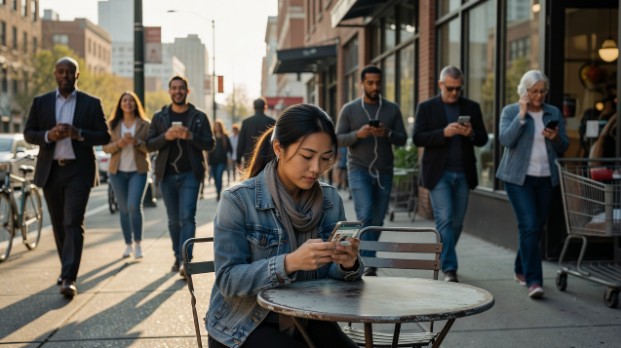
Participation in traditional social activities dropped sharply over recent decades. The 2026 Data for Progress survey recorded double-digit declines across multiple behaviors compared with 1995 figures. Americans entertained people at home 21 percentage points less frequently. Church attendance fell 20 points. Club meetings, picnics, and volunteer work showed similar reductions. Third places such as cafes, hobby groups, libraries, and community centers experienced widespread closures between 2019 and 2021, with losses hitting rural and vulnerable neighborhoods hardest.
These physical venues once created repeated low-stakes interactions. Their disappearance left fewer natural opportunities for new acquaintances. Smartphones and widespread broadband filled the gap. From 2013 to 2025 the share of Americans who met their current partner online climbed from 12% to 42%. Post-COVID growth in dating app users reached 27-35% and remained elevated through 2026. Pew Research noted in 2024 that 61% of people aged 18-29 consider it easier to meet others online than in real life. The central question arises. What specific advantages drive so many toward digital spaces for new connections?
The Loneliness Epidemic and the Human Need for ConnectionData from multiple sources confirms a widespread loneliness epidemic. The Cigna 2025 survey found 57% of American adults feel lonely, with Gen Z at 67% and Millennials at 65%. The U.S. Surgeon General's 2023 advisory described the crisis as comparable to major public health threats and estimated $154 billion in annual economic costs from related stress and absenteeism. Studies conducted between 2023 and 2025 show these numbers stayed stubbornly high despite economic recovery.
Loneliness differs from simply being alone. A person can live with family or work in a busy office yet still feel profound disconnection. Deep conversation and genuine understanding remain scarce in many offline environments. Online spaces address this deficit directly. They provide immediate access to others who choose to engage at that exact moment. Users control the depth and pace of interaction. Research published in the Journal of Social Psychology links perceived social isolation with increased pursuit of digital relationships. The internet offers a low-friction path toward the belonging humans fundamentally require.
Convenience and the Removal of Geographical and Temporal BarriersPractical barriers disappear when connections move online. Services operate 24 hours a day and require no travel, parking, or synchronized schedules. Someone working night shifts can talk with others at 3 a.m. Parents with young children exchange messages during nap time. People with limited mobility or chronic illness participate fully without leaving home. Individuals in small towns or remote areas reach others who share their exact interests across continents.
This flexibility changes outcomes dramatically. Traditional socializing demanded physical presence at a specific time and place. Digital tools remove both constraints and expand the potential pool of connections by orders of magnitude. Introverts gain time to compose thoughts before responding. Those with nonstandard work hours avoid isolation. The removal of logistical friction allows relationships to form based on compatibility rather than coincidence of location and timing. Many users report that this convenience alone justifies their preference for online-first approaches.
Lowering the Psychological Cost of Initiating ContactFear stops many interactions before they start in real life. Social anxiety affects millions and creates strong aversion to approaching strangers. An in-person first step carries immediate visual judgment, risk of public rejection, and pressure to perform instantly. Online formats change this equation completely. Users craft messages with care, revise them, and send only when ready. No one sees facial expressions or body language during initial contact. Rejection feels less personal when it arrives as silence rather than a direct dismissal.
A 2023 study determined that social anxiety serves as the primary motive for 43% of people who prefer online acquaintance formation. Research in psychology journals shows that text-based starts reduce physiological arousal associated with face-to-face approaches. Individuals begin conversations around shared posts, articles, or interests rather than generic openers. This context gives natural conversation starters and signals common ground from the first exchange. The lowered psychological cost encourages more attempts and leads to higher success rates for those who historically struggled with offline initiation.
The Power of Shared Interests and Niche CommunitiesShared interests accelerate meaningful connection. Instead of random encounters, people now gather in spaces organized around specific topics. Book discussion forums, hobby Discord servers, photography groups, gaming communities, and specialized Reddit threads attract participants already united by passion. This common foundation skips superficial small talk and moves directly to substantive dialogue.
More than 70% of users in niche communities report significantly higher probability of genuine connection when deep shared enthusiasm exists from the beginning. Whether the topic involves rare book collecting, specific music genres, political theory, or kink exploration, the focused environment filters for compatibility. Participants reveal values and personality through their contributions before personal details emerge. This interest-first model produces friendships and relationships with stronger initial alignment than chance meetings at generic social venues. The internet excels at uniting these long-tail audiences that could never reach critical mass in any single physical location.
Making Online Connections Work in Real LifeSuccessful online bonds often transition successfully to the real world when participants follow deliberate steps. Early video calls reveal communication style and basic chemistry before in-person meetings. Public locations for first encounters enhance safety for both parties. Clear discussion of expectations prevents misunderstandings. Users who maintain some offline social practice preserve real-world skills while benefiting from digital reach.
Safety practices matter enormously. Verified profiles, mutual friends in common communities, and gradual revelation of personal information reduce risks. Many experienced users recommend voice notes or video verification early in promising conversations. At the same time, regular offline activities prevent complete substitution of digital for physical presence. The healthiest approach combines both worlds. Online tools expand possibilities while in-person interaction fulfills aspects of connection that screens cannot replicate. As digital natives age and technology improves, hybrid relationship formation will likely become the standard pattern rather than an exception. Those who master this balance gain access to richer social lives than either approach alone could provide.
More from Blogs


Recommended


